Pizza Box
If clean and free of grease, place in paper recycling. If greasy or contaminated with food, dispose in bio waste or mixed waste depending on your municipality's guidelines.
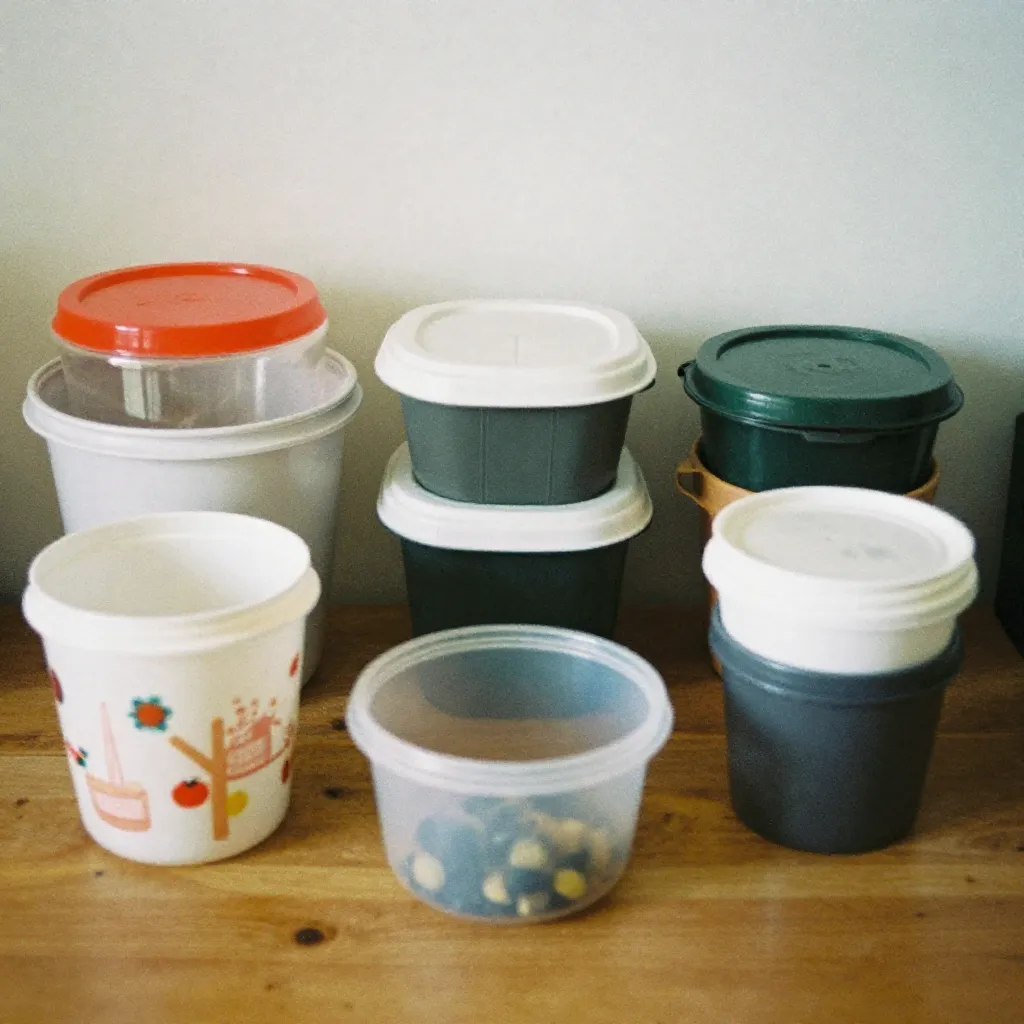
Understanding Finland's recycling system is essential for every household. This comprehensive guide covers waste sorting basics, package symbols, and where to dispose of special items.
If clean and free of grease, place in paper recycling. If greasy or contaminated with food, dispose in bio waste or mixed waste depending on your municipality's guidelines.
Never throw batteries in regular waste. Take them to battery collection points found in most supermarkets, electronics stores, or recycling centers. Rechargeable batteries can often be returned to the retailer.
Donate wearable clothing to second-hand shops or textile collection bins. Damaged textiles can go to textile recycling points at recycling centers. Some municipalities offer home collection services.
Return deposit bottles to machines at supermarkets or return them to the store. Non-deposit glass goes to glass collection containers found in most neighborhoods.
Return to electronics retailers (no purchase necessary) or take to designated recycling centers. Large appliances may require special collection arrangements.
Return unused or expired medication to pharmacies free of charge. Never dispose of medicine in regular waste or down the drain.
Small amounts can be absorbed with paper and placed in bio waste. Larger quantities should be taken to recycling centers that accept hazardous waste.
Clean plastic packaging goes in plastic recycling. Check the recycling symbol on the package. Soft plastics like bags may need to go to specific collection points.
Newspapers, magazines, cardboard, office paper, paper bags. Remove any plastic windows or metal staples if possible. Keep dry and clean.
Aluminum cans, tin cans, metal lids, small metal items. Rinse clean. Remove labels if possible. Larger metal items go to scrap metal collection.
Glass bottles and jars. Rinse clean and remove caps. Sort by color if required in your area. No light bulbs or window glass.
Food scraps, vegetable peels, coffee grounds, eggshells, garden waste. Use compostable bags or paper bags. Keep container clean.
Plastic packaging, bottles, containers. Check recycling symbols. Clean and dry items. Remove caps if made of different material.
Items that cannot be recycled: hygiene products, contaminated packaging, composite materials, small plastic items that don't meet recycling criteria.
Finnish packaging often includes specific symbols that indicate recyclability and proper disposal methods:
| Symbol | Meaning | What to Do |
|---|---|---|
| Green Dot | Producer participates in packaging recovery | Recycle according to material type |
| Mobius Loop | Product is recyclable | Place in appropriate recycling bin |
| Glass Symbol | Returnable glass container | Return to store for deposit refund |
| Plastic Codes (1-7) | Plastic resin identification | Check local guidelines for accepted types |
| Paper Symbol | Made from recycled paper | Recycle in paper bin when finished |
All electronic devices must be returned to retailers or recycling centers. This includes phones, computers, small appliances, and lighting equipment.
Paint, chemicals, solvents, pesticides, and other hazardous materials require special handling at designated recycling centers.
Furniture, mattresses, and large appliances can often be scheduled for collection or taken directly to recycling centers.
Most Finnish neighborhoods have recycling stations within walking distance. Common locations include:
Check your municipality's website for the nearest collection points and their opening hours. Many municipalities provide mobile apps with location services for recycling stations.
We use cookies to enhance your browsing experience and analyze site traffic. By continuing to use this site, you consent to our use of cookies.